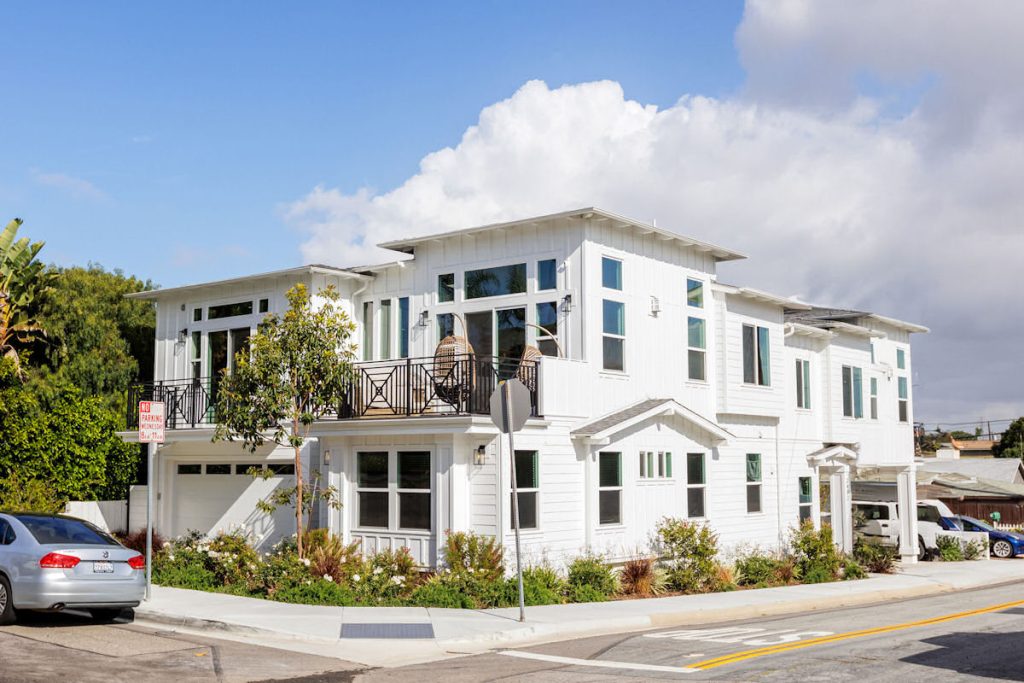
Teens can begin a structured program at Blume Behavioral Health, where the residential treatment program provides a supportive environment for adolescents struggling with mental health challenges. Residential treatment offers 24/7 care to promote lasting healing. This approach combines evidence-based therapy, life skills development, academic support, and family involvement.
The program is designed to help teens stabilize, build resilience, and develop the tools needed to navigate life’s challenges with confidence. With a focus on holistic growth and mental well-being, Blume provides a compassionate space where adolescents can heal, grow, and work toward a healthier, brighter future through their residential inpatient program.
According to the National Institute of Mental Health, an estimated 4.1 million adolescents aged 12-17 in the United States had at least one major depressive episode in 2023.
Our residential program is licensed by the California Department of Social Services, Community Care Licensing Division, and accredited by The Joint Commission for Behavioral Health Care and Human Services.
The residential teen mental health treatment center specializes in addressing complex mental health conditions that require intensive, 24/7 care and support. Understanding these conditions helps families recognize when residential treatment may be the most appropriate level of care for their adolescent.
Major depressive disorder in teens involves persistent feelings of sadness, hopelessness, and loss of interest in activities that significantly impact daily functioning. In a residential setting offering teen depression treatment in California, teens receive comprehensive care including medication management, individual therapy, and group support to address complex symptoms and develop healthy coping strategies.
Blume Behavioral Health provides teen bipolar disorder treatment for both types of bipolar disorder. Understanding the difference between bipolar 1 and bipolar 2 is crucial for proper treatment planning. Bipolar 1 disorder involves episodes of severe mania (periods of extremely high energy and elevated mood) that may require hospitalization, along with periods of depression.
Bipolar 2 disorder features less severe hypomanic episodes (a milder form of mania) and periods of depression. Both conditions benefit from the structured environment and intensive monitoring available in residential treatment centers for teens.
Schizoaffective disorder combines symptoms of schizophrenia with mood disorders. This condition requires specialized care that addresses both psychotic symptoms and mood instability. Our residential program provides the intensive psychiatric support and medication management necessary for teens with this complex condition.
Dissociative identity disorder, formerly known as multiple personality disorder, often develops as a response to severe trauma. Our trauma-informed residential treatment approach provides the safety and specialized therapy needed to help teens with dissociative symptoms heal and integrate their experiences.
Reactive attachment disorder affects a teen’s ability to form healthy emotional bonds with caregivers and peers. The residential program addresses attachment issues through specialized therapy approaches and consistent, nurturing relationships with staff members who understand the complexities of attachment trauma.
Trauma can result from various experiences including abuse, neglect, accidents, or witnessing violence. PTSD symptoms in teens may include intrusive memories, nightmares, avoidance behaviors, negative changes in thinking and mood, and alterations in physical and emotional reactions.
The residential program provides the safety and intensive support needed to address these symptoms effectively.
Group therapy is a cornerstone of our residential treatment program for teens, providing a powerful space for collective healing, connection, and personal growth. Through guided sessions with licensed therapists, teens gain insight, build coping skills, and develop healthy communication strategies while benefiting from the support and understanding of their peers.
Sharing experiences in a safe, therapeutic environment fosters a sense of belonging, reduces feelings of isolation, and helps teens realize they are not alone in their struggles. The clinical director deeply understands the complexities of adolescent mental health, and this commitment is reflected in a program that uses group therapy to empower teens on their path to healing.
At Blume, our team believes in the transformative power of individualized attention. The dedicated team builds meaningful connections with each adolescent, tailoring counseling sessions to their unique needs, experiences, and aspirations.
Through one-on-one support, teens have a safe space to explore their emotions, develop self-awareness, and work through personal challenges with expert guidance. The clinical team, including a clinical director and specialists, provides ongoing care to ensure each teen receives the support they need for healing, growth, and long-term well-being.
Our clinical team is also equipped to support teens with a co-occurring substance use disorder as part of their mental health care.
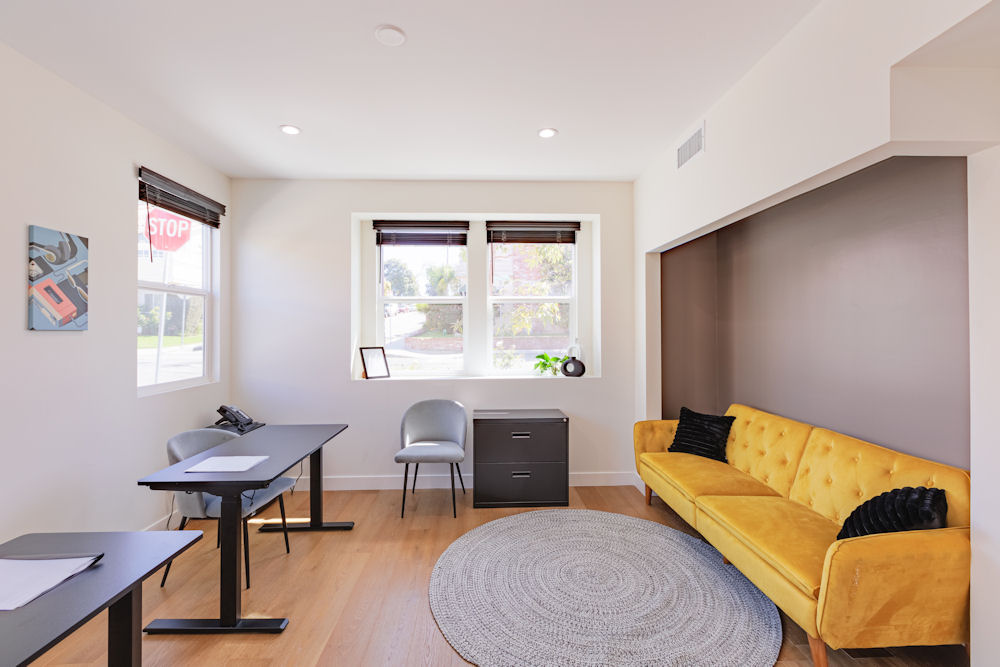
Many adolescents in residential treatment for boys face co-occurring mental health and substance use disorders, requiring specialized dual diagnosis treatment approaches that address both conditions simultaneously.
The dual diagnosis approach recognizes that mental health conditions and substance use disorders often influence each other. Treatment plans address both conditions simultaneously through coordinated care that includes individual therapy, group counseling, family involvement, and psychiatric support.
Navigating adolescence requires specialized psychiatric care, and the team of psychiatrists is equipped with the expertise to address the unique psychological needs of teens. With a deep understanding of adolescent mental health, the psychiatrists provide thorough assessments, medication management, and ongoing support to help teens manage emotional and behavioral challenges.
Their expertise plays a critical role in fostering resilience, promoting healthy coping skills, and ensuring that each teen’s treatment is tailored to their individual needs. By addressing the complexities of mental health during this transitional phase, the psychiatrists empower teens to overcome obstacles and build a foundation for lasting recovery.
The residential setting provides unique advantages for medication management, offering 24/7 supervision and immediate access to psychiatric care when adjustments are needed.
Starting new psychiatric medications requires careful monitoring for effectiveness and potential side effects. The residential program allows for close observation during medication trials, ensuring teens receive optimal therapeutic benefits while minimizing adverse reactions.
The psychiatric team has experience with various medications, including antidepressants, mood stabilizers, antipsychotics, and anxiety medications. Each medication is carefully selected based on the teen’s specific diagnosis, symptoms, and individual response patterns.
Side effects from psychiatric medications can impact a teen’s willingness to continue treatment. The residential setting allows for immediate assessment and adjustment of medications, ensuring teens receive the most effective treatment with minimal side effects.
The residential program incorporates various evidence-based therapeutic approaches to address the diverse needs of adolescents in treatment.
Codependency involves unhealthy relationship patterns where individuals lose their sense of self while trying to control or fix others. The family therapy component helps teens and their families recognize codependent behaviors and develop healthier relationship dynamics.
Understanding attachment styles and their impact on relationships is crucial for adolescent development. The therapeutic programming helps teens develop secure attachment patterns and improve their ability to form healthy relationships with peers and family members.
Anxiety symptoms in teens can manifest as excessive worry, physical symptoms, avoidance behaviors, and panic attacks. Our residential program provides intensive support for developing coping strategies and managing anxiety through various therapeutic approaches, including cognitive-behavioral therapy for teens and mindfulness techniques.
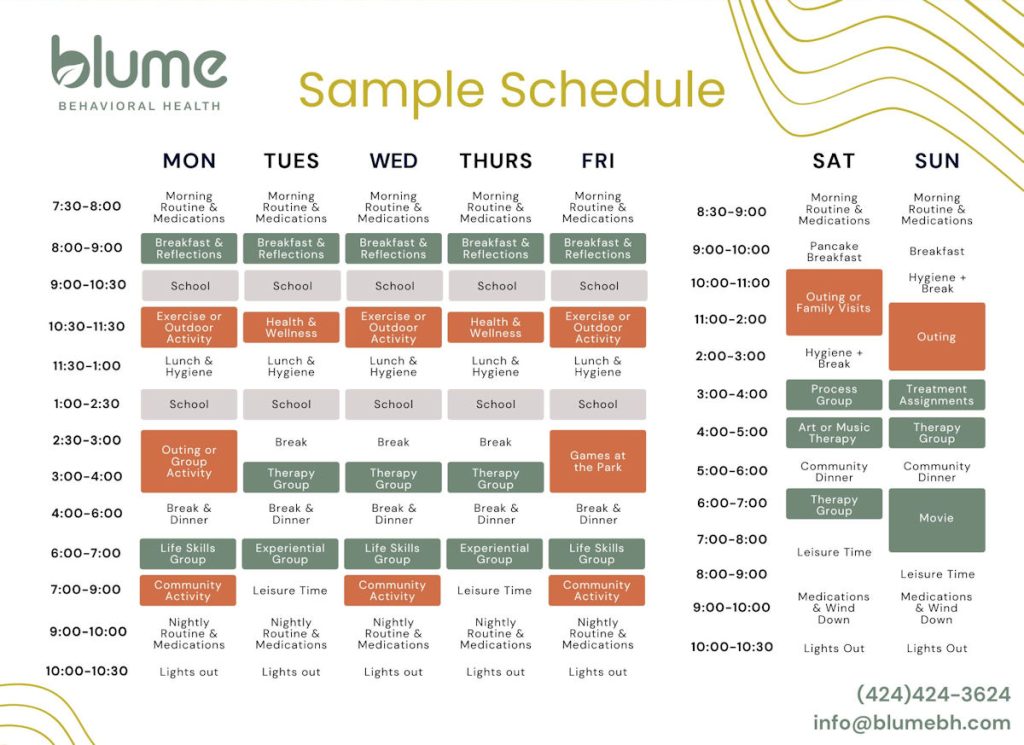
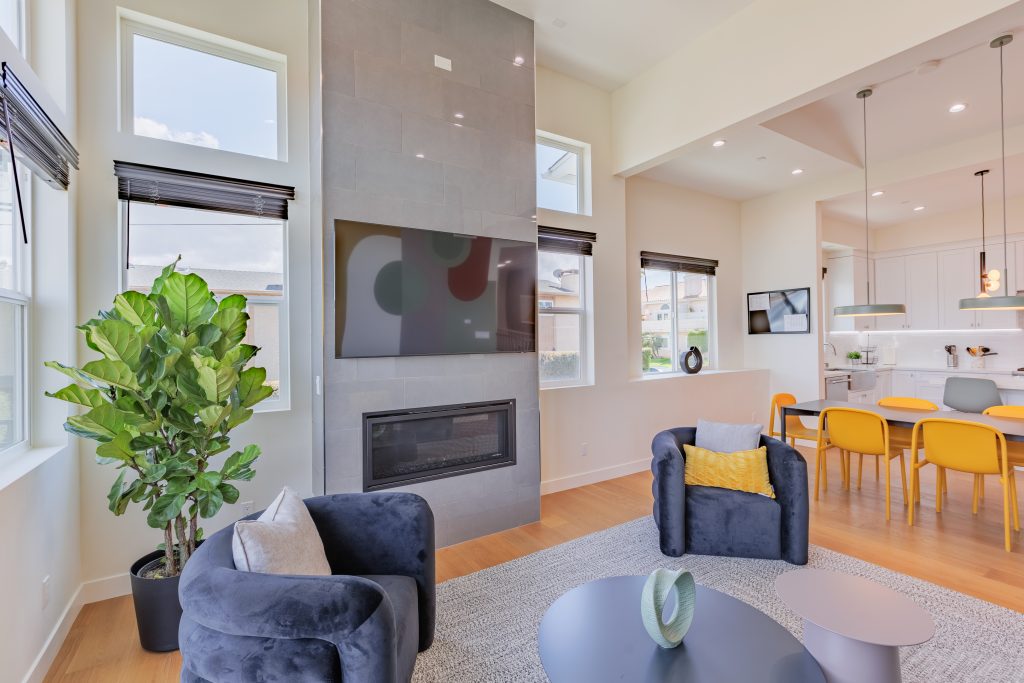
Recreational activities and outings at Blume Behavioral Health are a breath of fresh air, offering rejuvenating breaks from structured therapy and treatment and providing opportunities to forge friendships, learn new skills, and rediscover the joy of engaging in hobbies and interests.
Blume Behavioral Health offers experiential therapy in Redondo Beach, California. In the teen residential treatment program, teens can work on mental health issues and behavioral issues. Through a structured schedule and specialized care, long-term recovery is possible.
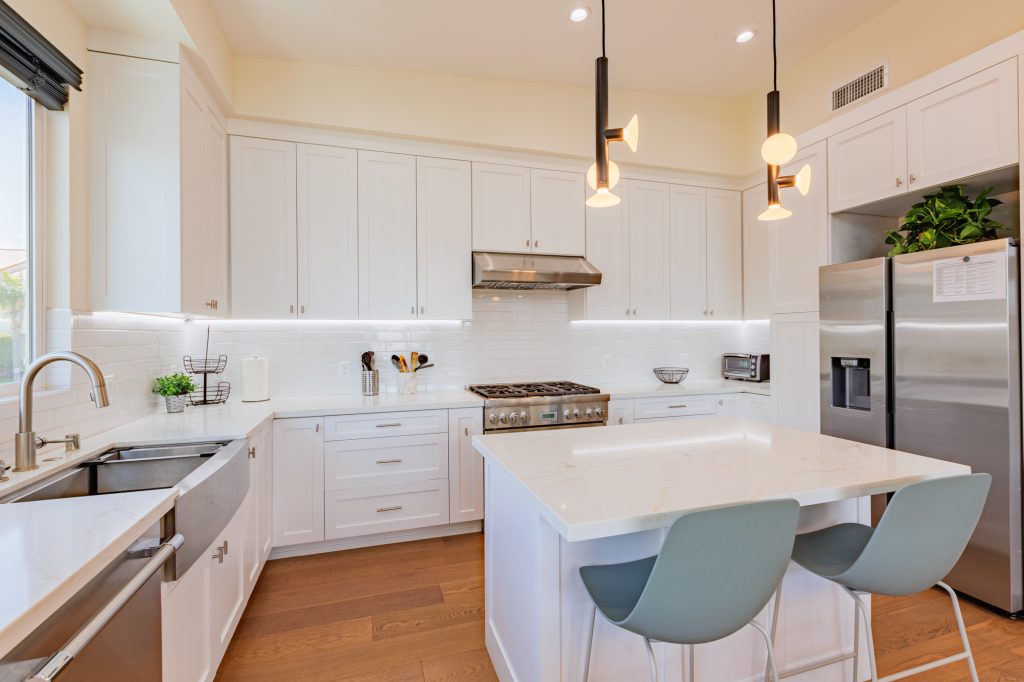
At Blume Behavioral Health, the team embraces the concept of culinary wellness, where nourishment transcends the plate and is embedded in treatment. The in-house culinary team crafts meals that are not only delicious but nourishing, fostering physical well-being as an integral part of the healing journey. A gourmet experience that delights the senses while fuelling the body and soul.
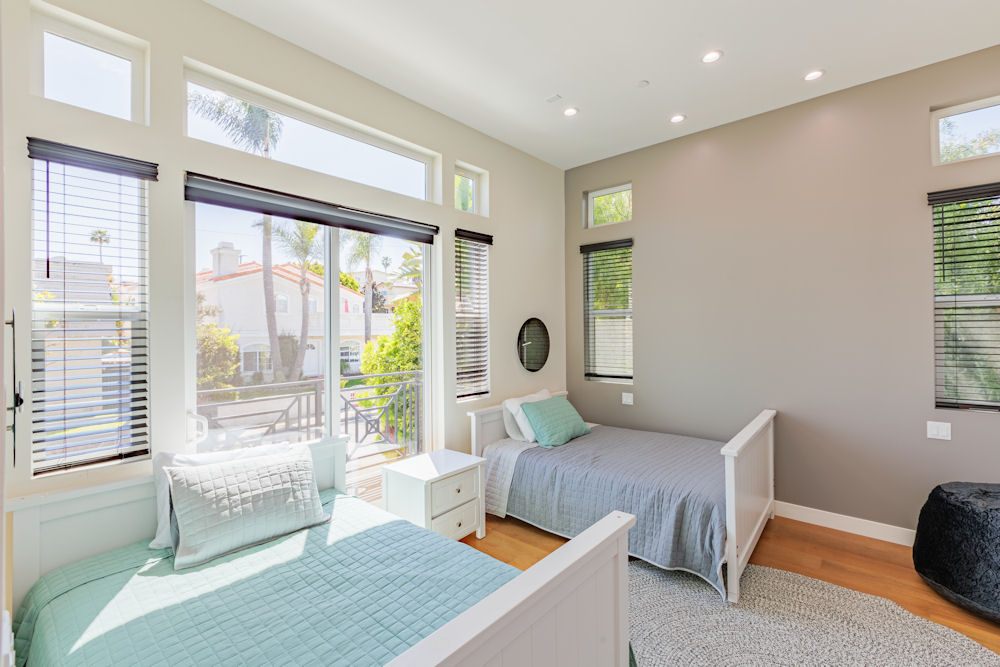
Similar to nourishment, a teen’s sleeping arrangements are also important in teen residential treatment. The residential care can assist young adults with their mental health disorders.
Courage isn’t just facing challenges; it’s reaching out when you need a hand to overcome them. Every journey has its struggles, but you don’t have to go through them alone. At Blume, the team commends the bravery of those who seek support.
When families are ready to take that step, the team is here, offering the solid foundation and understanding guidance needed. True bravery is recognizing when it’s time to get help. If you’re considering residential treatment center for teen girls, reach out today to learn more about the path to recovery.
Residential treatment centers for teens address conditions such as depression, anxiety, trauma, bipolar disorder, ADHD, and substance use disorders.
Trauma bonding refers to strong emotional attachments formed through repeated cycles of abuse or distress, which can impact a teen’s recovery process in residential care.
The stages of grief include denial, anger, bargaining, depression, and acceptance, and are often addressed in therapy within residential treatment centers for teens.
Codependency is addressed through individual and group therapy, helping teens develop healthy boundaries and self-awareness.
Therapies include cognitive behavioral therapy (CBT), dialectical behavior therapy (DBT), acceptance and commitment therapy (ACT), somatic therapy, and experiential therapies.
Medication management includes psychiatric assessment, monitoring for side effects, and regular review by licensed professionals to ensure safety and effectiveness.
Somatic therapy is a body-focused approach that helps teens process trauma and stress through physical awareness and movement, often integrated into residential programs.
Academic integration allows teens to continue their education with support from certified teachers and tailored learning plans during treatment.
Families participate in therapy, education, and support sessions to strengthen relationships and reinforce progress made in residential treatment.
Dual diagnosis treatment combines mental health and substance use care, including withdrawal management and medication-assisted treatment when appropriate.
In the residential treatment programs for teens, Blume assists with mental health issues and substance abuse concerns. A teen’s mental health is just as important as their physical health. Our residential treatment center can help teens bloom by seeing the bigger picture of all the greatness their future can hold. Mental health and substance abuse concerns don’t have to keep teens hostage. Contact Blume today for help.

Dr. Aneta Lotakov Prince is a board-certified psychiatrist with over 20 years of clinical experience treating adolescents and adults facing severe mental illness, co-occurring substance use disorders, and complex emotional and behavioral health challenges. Certified by the American Board of Psychiatry and Neurology, she holds an active DEA registration and California medical license. Dr. Prince’s patient-centered approach is rooted in compassion and driven by a dedication to improving quality of life and supporting long-term recovery. She remains deeply committed to empowering each individual she works with to build a life of purpose, connection, and resilience.