

Body dysmorphic disorder treatment for teens typically involves cognitive behavioral therapy (CBT) as the first-line approach, often combined with medication when a psychiatrist determines it is appropriate. According to the International OCD Foundation, CBT tailored to BDD is the only psychological treatment for the condition that is well supported by research, helping teens challenge distorted thoughts about their appearance and gradually reduce compulsive behaviors like mirror checking or reassurance seeking.
Professional treatment matters because BDD is not something teens can simply outgrow or overcome through willpower. The condition can significantly interfere with school attendance, friendships, and daily functioning when left untreated. Blume Behavioral Health is committed to supporting mental health recovery for teens and adolescents, providing residential mental health treatment for adolescents ages 12 to 17 in California, using evidence-based therapies including cognitive behavioral therapy to address conditions that affect a teen’s ability to function.
Body dysmorphic disorder is a mental health condition where a person becomes intensely focused on perceived flaws in their appearance that others cannot see or view as minor. People with BDD often spend hours each day thinking about these concerns, which causes significant distress and makes it hard to function in daily life.
For teenagers, BDD can disrupt nearly every part of their lives. A teen with BDD may refuse to go to school, avoid seeing friends, or spend excessive time trying to fix or hide the perceived flaw. These concerns go far beyond typical teenage worries about appearance; they are persistent, time-consuming, and cause real impairment in how a teen lives their life.
Parents may notice certain behaviors that suggest their teen is struggling with more than typical appearance concerns.
Common signs include:
Occasional worries about appearance are normal during adolescence. BDD is different because the preoccupation is persistent, takes up significant time each day, and causes the teen to avoid activities or experience serious emotional distress. Teens often have a hard time telling anyone that they are upset about their appearance. A parent may notice the behaviors before the teen says anything, so changes in routine, mood, or school attendance are worth paying attention to.
A qualified mental health professional, such as a psychiatrist or psychologist, diagnoses BDD through a clinical evaluation. This assessment examines the teen’s symptoms, how much distress they cause, and how much the concerns interfere with school, relationships, and daily activities. The clinician will also assess for related conditions. BDD can look similar to eating disorders, OCD, social anxiety, or depression. Distinguishing BDD from these conditions is important because each requires a specific treatment approach.
Evidence-based treatment for BDD in teens includes several components tailored to each individual’s needs:

CBT helps teens with BDD by teaching them to identify and challenge the distorted thoughts driving their appearance concerns. A therapist works with the teen to recognize patterns like assuming others are judging their appearance or believing a perceived flaw is more noticeable than it actually is. The behavioral component of CBT focuses on reducing compulsive actions. Teens learn to gradually stop checking mirrors, seeking reassurance, or avoiding situations because of appearance fears. Over time, this helps them build tolerance for uncertainty about their appearance and develop healthier ways to manage distress.
Parents play an important role in their teen’s recovery from BDD. Taking a teen’s concerns seriously while avoiding actions that reinforce the disorder requires a careful balance. Parents should:
Providing reassurance about appearance may feel helpful in the moment, but it can actually strengthen BDD symptoms over time. Treatment teams can guide parents on how to respond in ways that support recovery. A calm, patient conversation often matters more than the exact words a parent uses. Letting a teen talk without judgment and listening well is a good starting point.
Research on how social media use relates to BDD in teens is still emerging. What parents can observe is how a teen uses it. Hours spent scrolling through images of other people, editing or deleting photos, or posting and then checking for reactions can feed the comparing, checking, and reassurance seeking that keep BDD going. If you notice these patterns, ask the treatment team how to set limits in a way that supports treatment.
A teen with BDD may need residential treatment when outpatient therapy is not enough to address the severity of their symptoms. Signs that a higher level of care may be appropriate include:
The appropriate level of care should be determined through an individualized assessment by a mental health professional. Blume Behavioral Health, licensed by the California Department of Social Services and accredited by The Joint Commission, provides residential mental health treatment for teens ages 12 to 17 in gender-specific homes in the South Bay area of Los Angeles.
BDD rarely occurs alone. According to the Anxiety and Depression Association of America, people with BDD commonly also experience depression, social anxiety, or OCD. Some teens with BDD may also struggle with self-harm or suicidal thoughts due to the intense distress the condition causes. If a teen is at risk of harming themselves, seek immediate help by calling 988 (the Suicide and Crisis Lifeline) or going to the nearest emergency room. Early identification and treatment of BDD and any co-occurring conditions give teens the best chance for recovery.
Blume Behavioral Health provides residential mental health treatment for adolescents ages 12 to 17 in California and is committed to supporting mental health recovery for teens and adolescents. Our program combines individual, group, and family therapy using approaches such as CBT, DBT, and EMDR. Families participate throughout treatment, and teens continue their schoolwork with coordination from Blume’s team. Contact us today to learn more about our teen mental health treatment programs or to schedule a consultation.
Cognitive behavioral therapy tailored to BDD, including gradually facing avoided situations as in exposure and response prevention, is the psychological treatment with the strongest research support, according to the International OCD Foundation. Medication may also be used alongside therapy when prescribed by a qualified clinician.
Yes, BDD often begins during adolescence. According to the International OCD Foundation, BDD most often begins around age 12 or 13, making teens a commonly affected group.
Many teens experience significant improvement with appropriate treatment. CBT helps reduce symptoms and teaches skills for managing appearance-related distress, though some individuals may need ongoing support.
SSRIs are sometimes prescribed for BDD when a psychiatrist determines medication is appropriate. Medication is typically used alongside CBT rather than as a standalone treatment.
No single cause has been identified. BDD is thought to develop from a mix of psychological, social, and biological factors. Genetics appear to play a role, and difficult early experiences have been linked to higher rates. BDD is not a choice, and it is not vanity.
Screening questionnaires exist, but an online test or quiz cannot diagnose BDD. A psychiatrist or psychologist makes the diagnosis through a clinical evaluation. If a screening result or your own observations point to BDD, the next step is an evaluation by a mental health professional.
BDD is not necessarily focused on weight or body fat. A teen with BDD may be preoccupied with a specific feature, such as skin, nose, or hair. The two conditions can look similar and can occur together, which is why a clinician assesses for both.
Listen patiently and let your teen talk. Avoid telling them the flaw is imagined or that they are being vain, and avoid commenting on their appearance. Ask the treatment team for guidance on how to respond when your teen asks for reassurance.
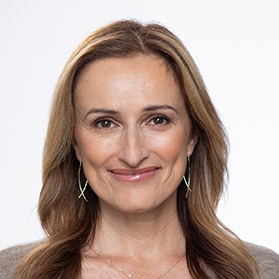
Dr. Aneta Lotakov Prince is a board-certified psychiatrist with over 20 years of clinical experience treating adolescents and adults facing severe mental illness, co-occurring substance use disorders, and complex emotional and behavioral health challenges. Certified by the American Board of Psychiatry and Neurology, she holds an active DEA registration and California medical license. Dr. Prince’s patient-centered approach is rooted in compassion and driven by a dedication to improving quality of life and supporting long-term recovery. She remains deeply committed to empowering each individual she works with to build a life of purpose, connection, and resilience.