

Treatment for borderline personality disorder (BPD) in teenagers typically includes individual therapy, skills-based approaches, family involvement, and, when clinically appropriate, psychiatric evaluation. Most teens with BPD symptoms can be treated in outpatient or community-based settings; residential care is considered only when symptoms are severe enough that a more structured environment is needed.
Blume Behavioral Health, accredited by The Joint Commission, is committed to supporting mental health recovery for teens and adolescents ages 12 to 17 at our locations in Redondo Beach and Torrance, California. Our programs include DBT, individual and group therapy, family involvement, and academic support, with residential care available for teens who need a higher level of structured support.
BPD is a mental health condition marked by intense emotional reactions, unstable relationships, an unclear or shifting sense of self, and impulsive behavior. Teens with BPD often feel emotions more intensely than their peers and have a harder time returning to a calm baseline after something upsetting happens. These patterns tend to show up across multiple areas of life, including school, friendships, and family relationships.
Common features of BPD in adolescents include:
Because some of these experiences can overlap with normal adolescent development, a professional assessment is essential before any diagnosis is made.
A licensed mental health professional, such as a psychologist or psychiatrist, diagnoses BPD through a thorough clinical evaluation. According to the DSM-5, a diagnosis requires a pervasive pattern of instability across emotions, relationships, self-image, and impulse control, present across multiple contexts and not better explained by another condition or developmental stage. Symptoms must be persistent and cause significant problems in daily functioning, not just occasional emotional difficulty.
Clinicians are careful to distinguish BPD from typical adolescent mood changes, which are common and do not indicate a personality disorder. BPD symptoms also overlap with conditions such as bipolar disorder, PTSD, and depression, which is why a comprehensive evaluation matters. The National Institute of Mental Health notes that co-occurring conditions are common in people with BPD, making accurate diagnosis an important first step in treatment planning.
The most supported treatments for adolescent BPD combine individual therapy, skills training, and family involvement. A psychiatric evaluation may also be recommended to assess for co-occurring conditions such as depression or anxiety, and medication may be considered when clinically appropriate for those symptoms, though no medication is approved specifically for BPD.
Common treatment components include:

Dialectical behavior therapy (DBT) is a structured, evidence-based therapy originally developed by Dr. Marsha Linehan and later adapted for adolescents. It was designed for people who feel emotions intensely and struggle to manage them, which makes it a strong fit for teens with BPD. DBT teaches practical skills to handle overwhelming emotions, get through a crisis without acting on harmful urges and build healthier relationships. Research on the adolescent version has focused on its role in reducing self-harm, suicidal thoughts and emotional dysregulation in teens with BPD features.
The adolescent version also brings families into the process. Parents or caregivers take part in skills training, so they learn the same tools their teen is practicing and can reinforce them at home.
Emotion regulation skills teach teens to identify what they are feeling, understand what triggers intense reactions, and use specific strategies to reduce emotional vulnerability over time. Interpersonal effectiveness skills help teens communicate their needs clearly, set limits in relationships, and maintain self-respect during conflict. Together, these two skill sets address two of the most disruptive areas of BPD: emotional instability and relationship difficulties.
Distress tolerance skills give teens concrete tools to get through a crisis without making the situation worse, such as using physical grounding techniques or redirecting attention. Mindfulness, the foundation of all DBT skill areas, teaches teens to observe their thoughts and feelings without immediately reacting to them. These skills are particularly useful for teens who engage in self-harm or impulsive behavior as a way to escape emotional pain.
Many teens with BPD can be treated effectively in outpatient settings. A higher level of care, such as residential treatment, may be appropriate when a teen is experiencing ongoing self-harm, suicidal behavior, or severe functional impairment that has not responded to outpatient treatment. The decision to step up to a more structured level of care is made collaboratively by the teen, family, and treatment team based on clinical need.
Blume Behavioral Health offers DBT as a core therapeutic intervention for teens with BPD and related emotional dysregulation. Our programs also include:
Our clinicians tailor treatment to each teen’s specific needs. Blume Behavioral Health treats teens ages 12 to 17 at our Redondo Beach and Torrance, California locations, both accredited by The Joint Commission. For teens who need residential support, Blume provides gender-specific inpatient programs that integrate clinical treatment, academic support, and life skills development.
Family members play a meaningful role in a teen’s recovery from BPD. DBT for adolescents often includes family skills training, so parents and caregivers can reinforce the same skills their teen is learning. Practical ways families can support treatment include:
At Blume Behavioral Health, family involvement is built into the treatment model, not added on as an afterthought.
Families concerned about a teen’s emotional health can start by requesting a clinical evaluation to understand what is happening and what level of care makes sense.
Blume Behavioral Health works with families throughout the evaluation and admissions process to identify the right level of care for each teen, reflecting the center’s commitment to supporting adolescent mental health recovery. Contact us today to learn more about how we treat BPD in teens or to schedule a consultation.
Yes, BPD can be diagnosed in adolescents. The DSM-5 allows for a BPD diagnosis before age 18 when symptoms have been present for at least one year and are persistent across multiple settings.
DBT adapted for adolescents is the most well-researched treatment for teen BPD. It combines individual therapy, skills training, and family involvement to address emotional dysregulation, self-harm, and relationship difficulties.
DBT teaches teens four core skill sets: emotion regulation, distress tolerance, mindfulness, and interpersonal effectiveness. These skills give teens practical tools to manage intense emotions and reduce impulsive or self-harmful behavior.
Residential treatment is appropriate when a teen’s symptoms are severe, ongoing, and have not improved with outpatient care. Indicators include persistent self-harm, suicidal behavior, or an inability to function safely at home or school.
Parents can support treatment by participating in family therapy, learning DBT skills alongside their teen, and maintaining consistent boundaries at home. Staying in regular contact with the treatment team helps families respond effectively to changes in their teen’s behavior.
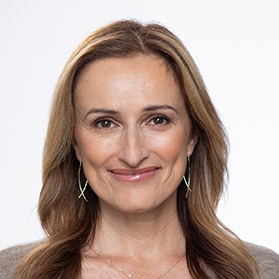
Dr. Aneta Lotakov Prince is a board-certified psychiatrist with over 20 years of clinical experience treating adolescents and adults facing severe mental illness, co-occurring substance use disorders, and complex emotional and behavioral health challenges. Certified by the American Board of Psychiatry and Neurology, she holds an active DEA registration and California medical license. Dr. Prince’s patient-centered approach is rooted in compassion and driven by a dedication to improving quality of life and supporting long-term recovery. She remains deeply committed to empowering each individual she works with to build a life of purpose, connection, and resilience.